User Acquisition & Performance Marketing

How I drive predictable, scalable, and efficient growth across global markets

User acquisition is most effective when performance strategy, experimentation, creative, and operational infrastructure work together.

In my work, I focus on building acquisition engines that not only scale spend efficiently, but also align with lifecycle, CRM, and multi-region funnel structures, especially in complex B2B and fintech environments where qualification, trust, KYC and onboarding matter as much as impressions and clicks.  (Thanks to my 4 years of affiliate marketing experience)

For global campaigns across North America, Europe, and Southeast Asia, my approach blends channel-level precision with system-level thinking. Building a proper campaign management structure with localized campaign experience. The goal is to generate qualified customer that can move smoothly into scoring, MQL, routing, SQL and activation workflows (automated email cadence and SDR outreach cadence).

Every engagement begins with understanding the audience, the product use case, primary value prop and the constraints (demographics and user ​preference) of the funnel, particularly the steps between lead capture and activation.

This helps determine whether to prioritize high-intent bottom-funnel channels, mid-funnel education, or broader awareness aimed at shaping demand and lead generation. I design paid acquisition strategies using a combination of creative intensive testing, ​relevant landing page,  CRM automation and data enrichment (with AI), and customer life time value analytics.

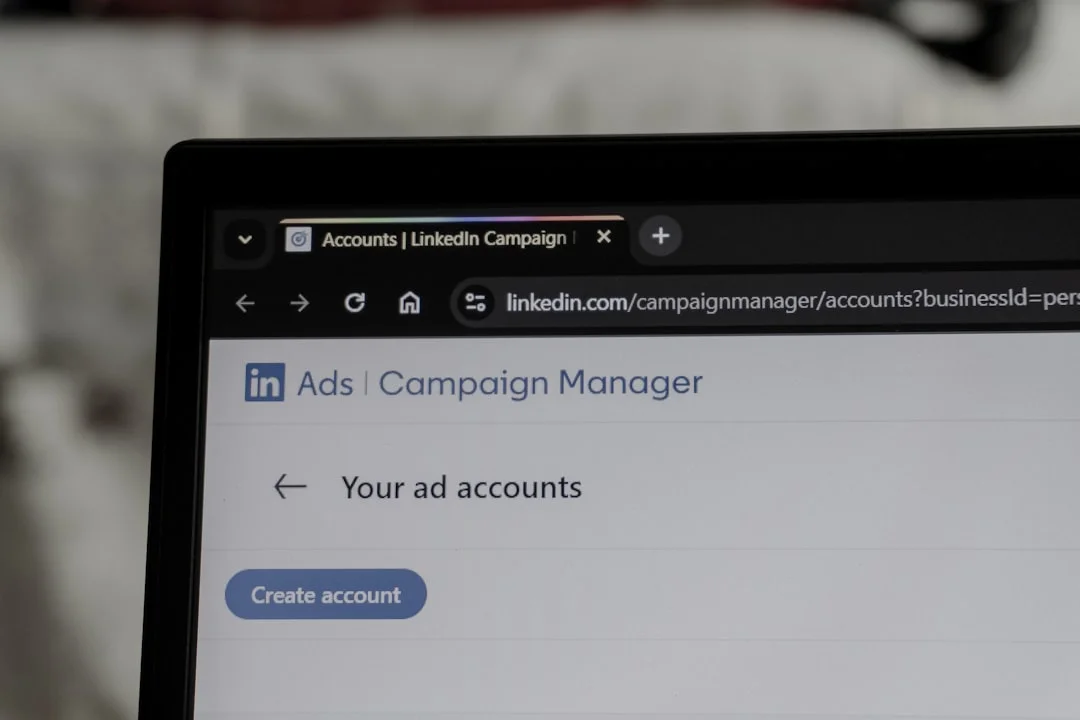
Paid channels such as Google, Meta, LinkedIn, TikTok, and programmatic, each serve a distinct role. I structure campaigns around intent tiers, message testing, audience segmentation, and data feedback loops, ensuring performance aligns with downstream quality and lifecycle readiness.

Creative and messaging iterations are tightly connected with experimentation. A/B testing is embedded into landing pages, ad variations, and funnel steps, enabling consistent customer experience and trust. I integrate product signal, intent data, and cohort performance to refine audiences and improve prediction accuracy. and I think what ultimately differentiates user acquisition in B2B and fintech is operational alignment. Routing rules, qualification logic, and onboarding friction influence the effectiveness of every paid dollar.


Here’s a representative structure I often use in fintech and B2B funnels: 

- Ads generate segmented intent buckets →
- Leads are enriched via CRM and scoring →
- Signals inform routing logic →
- Lifecycle programs adapt messaging →
- BD or automated onboarding steps take over →


 Activation patterns feed back into acquisition strategy. This closed loop ensures performance decisions are influenced by activation—not just clicks or early-stage metrics.

Working across NA, EU, and SEA requires adapting campaigns to different behaviors, regulatory environments, and cost dynamics.

I tailor acquisition strategy by region and adjusting keyword clusters, messaging, landing page content, and audiences to match market maturity and intent patterns. (Key: localized campaign -> landing page -> post acquisition enablement experience)

In North America and Europe, campaigns lean more heavily on competitive positioning, value differentiation, and strong funnel measurement.

Across regions, attribution models, routing rules, and BD coverage all influence how campaigns are structured. This multi-market experience helps ensure spend is both efficient and context-aware, instead of applying a single heuristic across all regions.

Building a creative testing pipeline and optimization process has helped improve CAC efficiency, strengthen qualification accuracy, increase conversion rates across landing pages, and drive more predictable pipeline contribution.

By evaluate acquisition effective with customer TPV, product utilization, and customer revenue data, user acquisition becomes predictable revenue engine that can scale.

Work samples